Top 10 Chinese Superfoods According to TCM
- Goji berries (枸杞) and red dates (红枣) are the two most universally recommended TCM superfoods

Quick Answer:
- Goji berries (枸杞) and red dates (红枣) are the two most universally recommended TCM superfoods
- TCM "superfoods" are chosen for their dual role as food and medicine (药食同源)
- Most can be added to daily tea, congee, or soup with zero preparation complexity
- Constitution matching matters — even superfoods aren't one-size-fits-all
Medical disclaimer: This article is for educational purposes only and does not constitute medical advice. The health benefits described are based on traditional Chinese medicine principles and select modern research. Consult a healthcare provider before using any food therapeutically, especially if you take medications or have health conditions.
The concept of 药食同源 (yao shi tong yuan — "medicine and food share the same origin") is the foundation of Chinese food therapy. Certain foods sit at the intersection of nutrition and medicine, providing therapeutic benefits through everyday eating. These aren't exotic supplements — they're pantry staples in Chinese households.
We compiled this list from Chinese food therapy texts, TCM university dietary therapy curricula, and the Chinese Ministry of Health's official 药食同源 list (which defines foods that can legally be used both as food and medicine in China).
For the broader framework, see our top 10 Chinese medicinal foods guide.
1. Goji Berry (枸杞子)
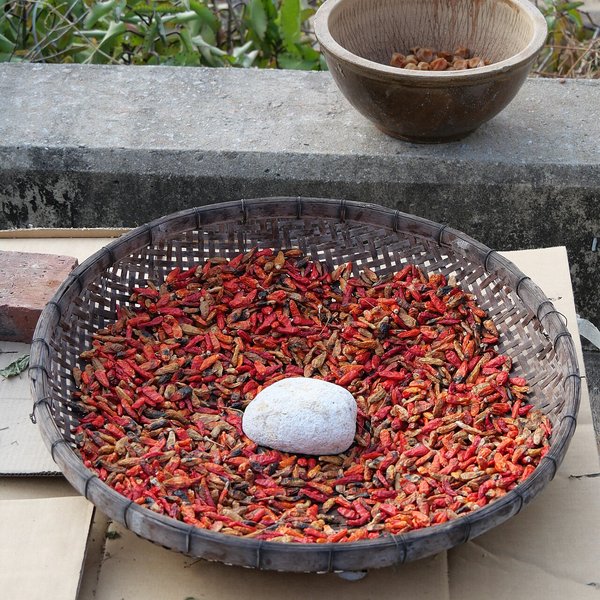 Image: Peachyeung316 via Wikimedia Commons (CC BY-SA 4.0)

Best For: Liver and kidney nourishment, eye health, gentle daily tonic
Goji berries top every Chinese superfood list for good reason. They nourish liver blood (养肝血), tonify kidney essence (补肾精), and benefit the eyes (明目) — addressing three of the most common deficiency patterns in modern life. Chinese families toss a handful into virtually everything: tea, soup, congee, stir-fry, even hot pot broth.
Modern Chinese research has identified high concentrations of zeaxanthin (a carotenoid linked to macular health) and lycium barbarum polysaccharides (LBP) with documented immunomodulatory effects.
 Photo: Pixabay
Pros:
- Universally safe for daily consumption in food-therapy doses
- Versatile — works in sweet and savory applications
- One of the most well-researched Chinese medicinal foods
Cons:
- Can cause loose stools at high doses (>30g/day)
- Quality varies widely — Ningxia Zhongning (宁夏中宁) origin commands premium
Price: ¥20–50/100g ($3–7 USD) | Premium Zhongning: ¥60–120/100g
Daily dose: 10–20g. Add to tea, congee, soup, or eat directly as a snack.
2. Red Date (红枣/大枣)
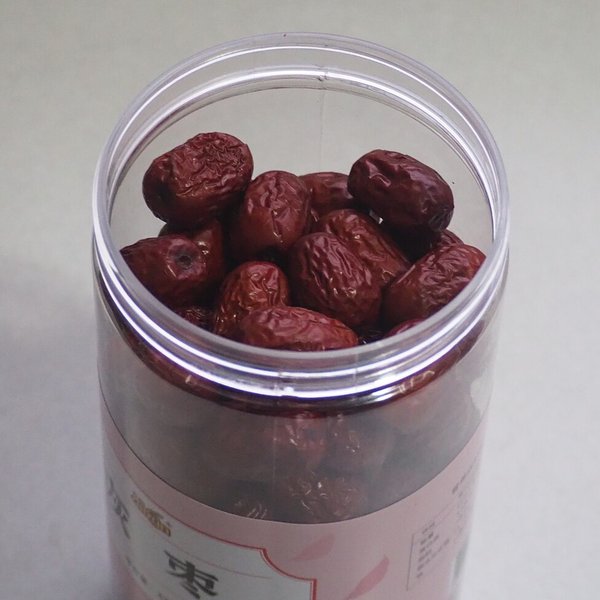 Image: Photo by David J. Stang via Wikimedia Commons (CC BY-SA 4.0)

Best For: Qi and blood tonification, spleen support, calming the spirit
Red dates (jujube) appear in more TCM formulas than almost any other ingredient — their role is to harmonize other herbs and tonify the spleen and blood. On their own, they're a potent qi and blood builder that Chinese medicine prescribes for fatigue, poor appetite, pale complexion, and restless sleep.
The saying "日食三枣, 长生不老" (eat three dates daily, never grow old) reflects how deeply embedded red dates are in Chinese wellness culture.
Pros:
- The most versatile TCM superfood — works in literally any dish or drink
- Sweet, pleasant taste that requires no acquired palate
- Functions as both food and herbal harmonizer (调和诸药)
Cons:
- High sugar content — diabetics should limit intake
- Excessive consumption can cause bloating and dampness accumulation
Price: ¥15–40/250g ($2–6 USD) | Premium Hetian (和田) dates: ¥40–80/250g
Daily dose: 3–5 dried dates. Slice and add to tea, or cook in soup and congee.
3. Black Sesame (黑芝麻)
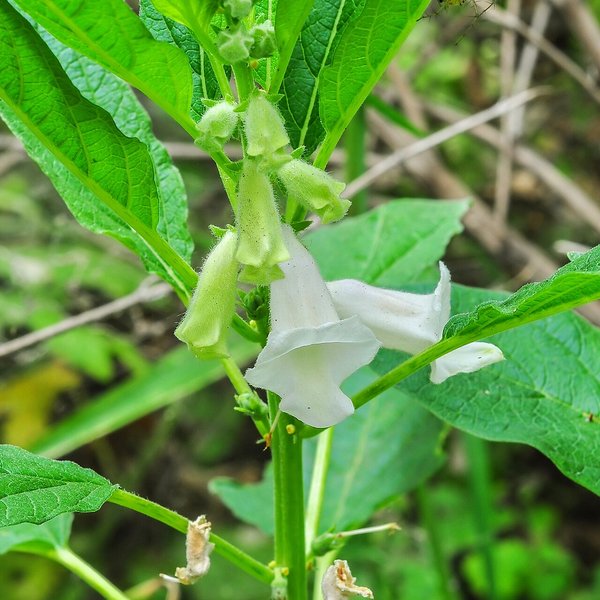 Image: Joydeep via Wikimedia Commons (CC BY-SA 3.0)

Best For: Nourishing kidney essence, darkening hair, moistening the intestines
Black sesame (黑芝麻) is Chinese medicine's premier hair-and-kidney food. The TCM logic: kidneys govern hair, black foods nourish kidneys, therefore black sesame nourishes hair. Beyond folk wisdom, black sesame is rich in calcium, iron, zinc, vitamin E, and sesamin — nutrients that support bone density, antioxidant status, and cardiovascular health.
Chinese grandmothers have been making black sesame paste (黑芝麻糊) for exactly these reasons for centuries.
Pros:
- Nutrient-dense: one of the highest calcium plant foods (975mg/100g)
- Addresses dry constipation gently through intestinal lubrication
- Delicious as paste, sprinkled on rice, or in tang yuan filling
Cons:
- High calorie density (over 550 kcal/100g) — moderation needed
- Must be ground or toasted for nutrients to be bioavailable — whole seeds pass through undigested
Price: ¥10–25/250g ($1.50–3.50 USD) | Black sesame paste: ¥15–40/packet
Daily dose: 10–15g ground or as paste. Add to congee, smoothies, or eat as 黑芝麻糊.
4. Chinese Yam (山药/淮山)
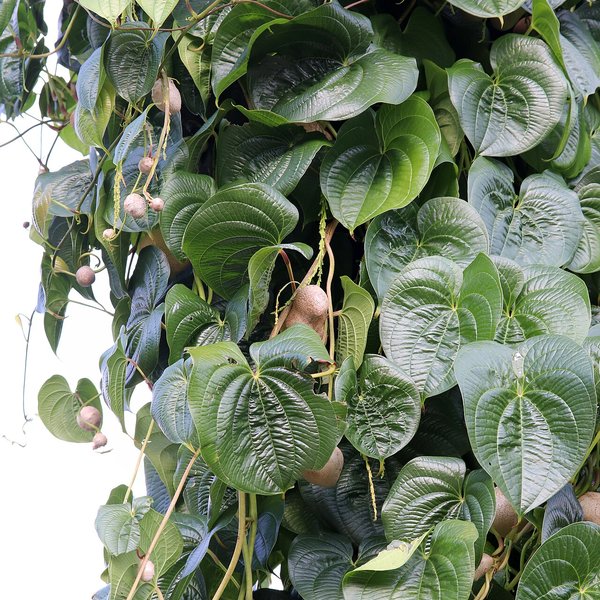 Image: Don McCulley via Wikimedia Commons (CC BY-SA 4.0)

Best For: Spleen and stomach strengthening, digestive support, blood sugar regulation
Chinese yam (Dioscorea opposita) is the spleen's best friend in TCM. It tonifies spleen qi without being cloying (补而不腻), making it safe for long-term consumption even by people with weak digestion. Fresh Chinese yam can be stir-fried, steamed, or added to soup. Dried slices (淮山) are used in medicinal soups.
Modern Chinese research shows Chinese yam polysaccharides have hypoglycemic effects — traditional use and modern science aligning once again.
Pros:
- Extremely gentle — safe for children, elderly, and post-illness recovery
- Dual use: fresh as vegetable, dried as medicinal herb
- Supports digestion while simultaneously building qi — a rare combination
Cons:
- The mucilage (黏液) can cause skin irritation when handling fresh yam — wear gloves
- Dampness-prone constitutions should use in moderation (it can generate dampness in some people)
Price: Fresh: ¥5–15/500g ($0.70–2 USD) | Dried 淮山 slices: ¥15–30/100g
Daily dose: 30–60g fresh (steamed, in soup, or stir-fried) or 10–20g dried in soup.
5. Lotus Seed (莲子)
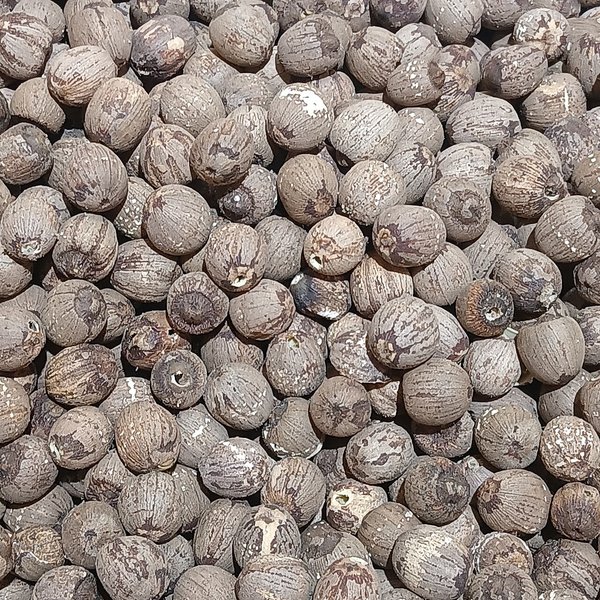 Image: Fumikas Sagisavas via Wikimedia Commons (CC0)
.jpg)
Best For: Calming the heart-spirit, stopping diarrhea, strengthening the kidneys
Lotus seeds (莲子) nourish the heart, spleen, and kidneys simultaneously — a triple action that makes them one of TCM's most balanced superfoods. They're the star ingredient in 八宝粥 (Eight Treasure Congee) and 莲子羹 (lotus seed sweet soup). The heart of the lotus seed (莲子心) is bitter and cooling — it's removed for spleen tonification but kept in for clearing heart fire.
Pros:
- Tonifies three organ systems simultaneously (heart, spleen, kidney)
- Calming properties help with insomnia and restless anxiety
- Pleasant, starchy texture that works in both sweet and savory dishes
Cons:
- Can worsen constipation due to astringent nature
- Must be cooked long enough (30+ minutes) to become tender
Price: ¥20–40/250g ($3–6 USD) | Premium Jianning (建宁) lotus seeds: ¥40–80/250g
Daily dose: 15–30g in congee, soup, or sweet soup.
6. Astragalus Root (黄芪)
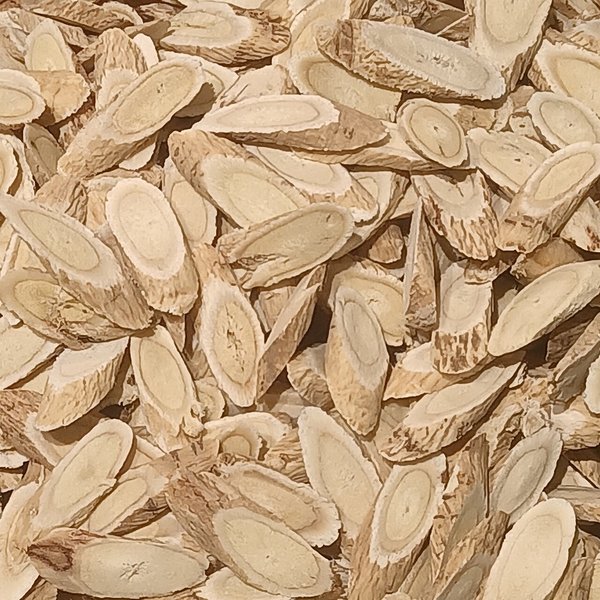 Image: Fumikas Sagisavas via Wikimedia Commons (CC0)

Best For: Immune support, qi boosting, preventing frequent colds
Astragalus sits at the top of the 药食同源 list for qi tonification. While technically an herb, it's widely used as a food ingredient in Chinese cooking — simmered in soup, brewed as tea, or added to congee. It's the first herb Chinese practitioners reach for when someone says "I catch colds easily" (容易感冒).
 Photo: Pixabay
Pros:
- The most well-researched immune-supporting Chinese herb
- Safe for daily use as food-grade tea or soup ingredient
- Affordable and universally available
Cons:
- Avoid during active infection (can strengthen pathogens)
- Large doses can cause bloating in people with spleen qi deficiency (paradoxically)
Price: ¥10–25/50g ($1.50–3.50 USD)
Daily dose: 10–30g simmered in soup or steeped as tea.
See our best herbs for energy guide for detailed coverage.
7. Coix Seed / Job's Tears (薏苡仁/薏米)
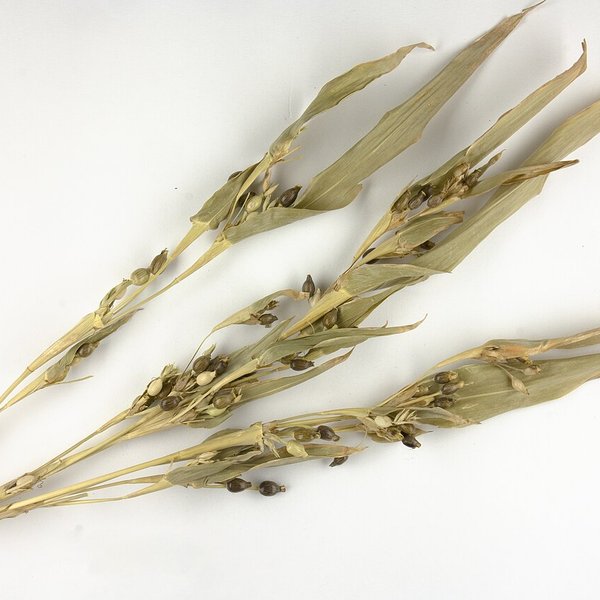 Image: Roger Culos via Wikimedia Commons (CC BY-SA 4.0)

Best For: Dampness elimination, skin clarity, reducing edema
Coix seed (Yi Yi Ren) is Chinese medicine's premier dampness-clearing food. If your constitution tends toward puffiness, heavy limbs, bloating, loose stools, and cloudy skin, coix seed addresses the root cause. It's the key ingredient in the popular wellness drink 薏米红豆水 (coix and red bean water).
Pros:
- Specifically targets dampness — the most common pathological pattern in modern Chinese medicine
- Doubles as a beauty food — Chinese women use it for skin brightening
- Affordable staple available at any Asian grocery store
Cons:
- Cooling nature — not ideal for cold-type spleen deficiency without modification (dry-frying/炒薏米 makes it warmer)
- Pregnant women should avoid large doses (traditional caution)
Price: ¥8–20/500g ($1–3 USD)
Daily dose: 30–50g cooked in water as a drink, or in congee/soup.
8. White Fungus (银耳)
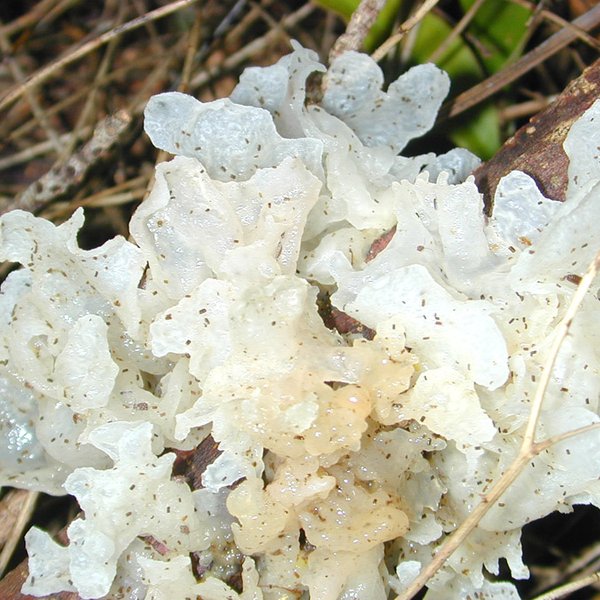 Image: Eric Guinther via Wikimedia Commons (CC BY-SA 3.0)

Best For: Lung and skin moisturizing, anti-aging, yin nourishment
White fungus (Tremella fuciformis) is called "poor man's bird's nest" (平民燕窝) because it provides similar collagen-like texture and yin-nourishing benefits at a fraction of the price. Chinese women consider it the #1 beauty food — the polysaccharides create a gelatinous texture when cooked that TCM associates with skin hydration and elasticity.
Pros:
- The most affordable yin-nourishing food available
- Creates beautiful, luxurious sweet soups
- Modern research shows Tremella polysaccharides have superior moisture-retention to hyaluronic acid
Cons:
- Requires long soaking (1–2 hours) and cooking (1+ hours) for proper texture
- Fresh white fungus can contain harmful bacteria — always use dried, properly stored
Price: ¥15–30/50g dried ($2–4 USD) | Premium Gutian (古田) fungus: ¥30–60/50g
Daily dose: One medium flower (soaked, ~15g dry) in sweet soup, consumed 2–3 times per week.
9. Black Bean (黑豆)
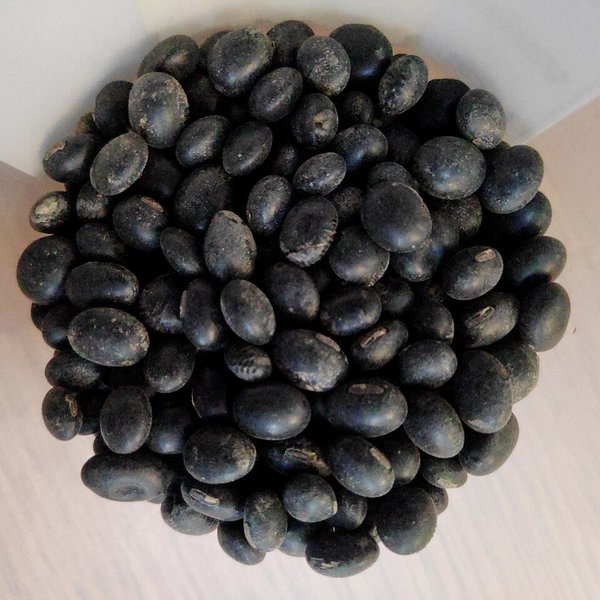 Image: Gaurav Dhwaj Khadka via Wikimedia Commons (CC BY 4.0)

Best For: Kidney nourishment, detoxification, hair and bone health
Black beans (黑豆) follow the Chinese principle of "black nourishes kidneys" (黑色入肾). They're rich in anthocyanins (the black pigment), protein, and isoflavones. In TCM, they tonify kidney yin, nourish blood, and promote detoxification. Black bean water (黑豆水) is a popular daily wellness drink, especially among women.
Pros:
- Affordable, versatile plant protein with medicinal properties
- Rich in anthocyanins with documented antioxidant benefits
- Mild, pleasant flavor that works in sweet and savory applications
Cons:
- Can cause gas and bloating if not soaked and cooked properly
- Purines in black beans may be an issue for gout-prone individuals
Price: ¥8–15/500g ($1–2 USD) — one of the cheapest superfoods
Daily dose: 30–50g cooked, or brew 黑豆水 with 50g dry-roasted black beans in 1L water.
10. Dried Longan (桂圆)
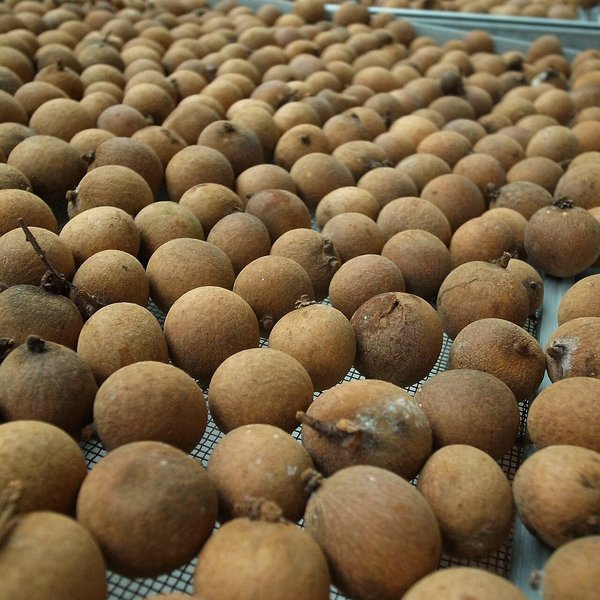 Image: Kiwi He via Wikimedia Commons (CC BY-SA 2.0)

Best For: Blood nourishment, calming anxiety, improving sleep
Dried longan (桂圆) is the gentle blood tonic that Chinese mothers reach for when their children look pale, have trouble sleeping, or seem anxious. It nourishes heart blood and calms the spirit (养心安神) — the TCM approach to the modern Western concept of nervous system support.
The classical formula Gui Pi Tang (归脾汤), which uses longan as a key ingredient, is one of TCM's most prescribed formulas for anxiety and insomnia from blood/qi deficiency.
Pros:
- Sweet, candy-like taste that children and adults enjoy
- Directly addresses the heart-blood deficiency pattern behind many sleep issues
- Convenient — eat dried, add to tea, or cook in sweet soup
Cons:
- Very warming and sweet — excess causes heat symptoms and dampness
- Not suitable for people with phlegm-dampness or internal heat patterns
Price: ¥20–40/250g ($3–6 USD)
Daily dose: 5–10 dried longan pieces in tea or sweet soup. Don't exceed 15/day.
Our food therapy for sleep guide covers longan's calming properties.
How to Incorporate TCM Superfoods Daily
The easiest daily routine using these superfoods:
Morning: Black sesame paste (黑芝麻糊) or millet congee with red dates and goji Midday: Astragalus tea (黄芪泡水) — simply steep slices in hot water at your desk Afternoon: Red date + goji + longan tea (三宝茶) Evening: Soup with Chinese yam, lotus seed, and coix seed Dessert: White fungus sweet soup with goji and red dates
FAQ
What is the #1 superfood in Chinese medicine? Red dates (红枣) and goji berries (枸杞) are essentially tied for the top position. Red dates appear in the most TCM formulas and are the most versatile. Goji berries have the most modern research. Both are safe for daily use by most people.
Can I take these superfoods together? Absolutely. Chinese food therapy routinely combines multiple superfoods. The classic combination is red dates + goji berries + longan in tea. For congee: lotus seeds + Chinese yam + coix seed + red dates. These are traditional combinations used for centuries.
Are Chinese superfoods safe with Western medications? Most food-grade superfoods (goji, red dates, black sesame, yam) are safe alongside medications. However, goji berries can interact with blood thinners (warfarin), and astragalus can affect immunosuppressant drugs. Always inform your doctor about herbal food supplements.
How long until I notice benefits from TCM superfoods? TCM superfoods work through consistent daily use over weeks, not days. Most people notice improved energy and digestion within 2–4 weeks of daily consumption. Skin and hair benefits typically take 1–3 months. These foods rebuild depleted reserves gradually.
Where can I buy quality Chinese superfoods? Chinese grocery stores and herbal pharmacies (中药房) offer the best selection and prices. Online, Taobao and JD.com have the widest range. For international buyers, Amazon carries goji berries, red dates, astragalus, and dried longan from Chinese brands. Look for origin-specific products (宁夏枸杞, 和田枣) for best quality.
Related Reading
- Red Dates, Goji Berries, and Astragalus: China's Top 10 Medicinal Foods
- Qi-Building Foods: What to Eat When You're Qi-Deficient
- The Five Flavors in Chinese Medicine
— The Chinese Food Therapy Trends Team