Tremella Mushroom Complete Guide: TCM's Beauty Secret for Skin and Lungs (Translated from Chinese)
This article is for informational and educational purposes only. It is translated and adapted from Chinese-language sources on traditional Chinese medicine (TCM) dietary theory. Nothing here constitutes medical or nutritional advice. Always consult a qualified healthcare provider before making changes to your diet or health regimen.
This article is for informational and educational purposes only. It is translated and adapted from Chinese-language sources on traditional Chinese medicine (TCM) dietary theory. Nothing here constitutes medical or nutritional advice. Always consult a qualified healthcare provider before making changes to your diet or health regimen.
Quick Answer
- Tremella (银耳, yín ěr), also called snow fungus or white fungus, is TCM's premier beauty-from-within food. It's been used for skin health, lung moistening, and anti-aging for over 1,000 years.
- TCM classification: Neutral in nature, sweet and bland in flavor, enters the lung, stomach, and kidney channels. Primary actions: nourishes yin, moistens the lungs, benefits the stomach, and generates fluids.
- The beauty claim has substance — tremella contains a unique polysaccharide that holds up to 500x its weight in water. A 2019 study found tremella polysaccharides matched hyaluronic acid's moisture-retention capacity in skin cell models.
- Traditionally called "poor man's bird's nest" (穷人的燕窝) because it delivers similar yin-nourishing, skin-moisturizing benefits as the luxury ingredient edible bird's nest at a fraction of the cost.
Why TCM Values Tremella So Highly
In the imperial courts of the Qing Dynasty, tremella was classified as a tribute food (贡品) — reserved for the emperor and high-ranking officials. Yang Guifei (杨贵妃), one of ancient China's legendary beauties, is said to have consumed tremella soup daily for her skin. While the historical accuracy is debatable, the attribution reveals how deeply Chinese culture connects tremella to beauty.
The TCM classic Bencao Wenda describes tremella as: "Nourishes yin without generating cold, tonifies without cloying. Among yin-nourishing supplements for those who cannot tolerate ginseng and deer antler, tremella is the most effective."
This is a significant statement. Many TCM tonic foods are warming (ginseng, astragalus, deer antler) and can create side effects in people who already run hot. Tremella is neutral — it nourishes without heating. This makes it universally usable, regardless of constitution.
A 2020 study published in International Journal of Biological Macromolecules identified that Tremella fuciformis contains over 70% polysaccharides by dry weight — one of the highest polysaccharide concentrations of any edible mushroom. These polysaccharides are the foundation of tremella's therapeutic activity.
The Science Behind Tremella's Skin Benefits
Moisture Retention
Tremella's signature polysaccharide (TFPS — Tremella fuciformis polysaccharides) has a unique molecular structure: highly branched, with abundant hydroxyl groups that bind water molecules. The result is extraordinary water-holding capacity.
A 2019 study in Carbohydrate Polymers compared TFPS to hyaluronic acid (HA) — the gold standard for skin hydration in cosmetics — and found that TFPS held 490x its weight in water, compared to HA's 500x. The moisture retention was statistically equivalent (p > 0.05). But TFPS molecules are smaller than HA molecules, potentially allowing better skin penetration when applied topically.
Chinese cosmetics companies have capitalized on this research. As of 2024, over 200 skincare products in China use tremella extract as a primary ingredient, marketed as a natural alternative to hyaluronic acid.
Antioxidant Activity
A 2021 study in Food Chemistry measured the antioxidant capacity of tremella polysaccharides using DPPH and ABTS assays. TFPS showed radical-scavenging activity comparable to ascorbic acid (vitamin C) at equivalent concentrations. The researchers concluded that TFPS may protect skin cells from oxidative damage — a primary driver of visible aging.
Collagen Support
While tremella doesn't contain collagen (it's a fungus, not an animal product), a 2020 study in Journal of Cosmetic Dermatology found that tremella extract stimulated fibroblast proliferation by 24% and increased type I collagen synthesis by 18% in cell culture models. This suggests tremella may support the body's own collagen production rather than supplying external collagen.
Prebiotic Effects
The polysaccharides in tremella act as prebiotics, feeding beneficial gut bacteria. A 2022 study in Nutrients found that TFPS increased populations of Lactobacillus and Bifidobacterium in human gut microbiome models by 35–42%. Since gut health is increasingly linked to skin health (the "gut-skin axis"), this provides another mechanism for tremella's beauty effects.
TCM Therapeutic Properties in Detail
Nourishes Yin and Moistens Dryness (滋阴润燥)
This is tremella's primary TCM function. "Yin" in TCM represents the body's cooling, moistening, nourishing fluids. When yin is depleted — from aging, chronic illness, stress, or living in dry climates — the body shows signs of dryness: dry skin, dry cough, dry throat, cracked lips, constipation, insomnia.
Tremella replenishes yin fluids. It's particularly valued during autumn (the driest season in Chinese medicine) and for people with yin deficiency constitution — those who tend to run hot, dry, and restless.
Nourishes Lungs and Stops Cough (润肺止咳)
TCM says "the lungs control the skin" (肺主皮毛). When lung yin is depleted, the skin dries out. This TCM-skin connection explains why tremella — a lung-moistening food — is simultaneously a beauty food.
Tremella is traditionally used for dry, unproductive cough, especially the lingering cough that follows a cold or flu. The mechanism in TCM: the pathogen has been cleared but the lung yin was damaged in the process. Tremella restores the moisture. See our autumn TCM foods guide for more lung-moistening foods.
Benefits the Stomach and Generates Fluids (益胃生津)
Tremella gently supports digestive function without the heaviness of strongly tonifying foods. Its bland, neutral nature makes it easy on the stomach — even people with weak digestion can usually tolerate it. The fluid-generating effect helps with chronic thirst, dry mouth, and the side effects of medications that deplete body fluids.
How to Select Quality Tremella
This matters more than you might think. The tremella market in China has both genuine and adulterated products.
Signs of Quality
- Color: Natural dried tremella is pale yellow to light golden. Not bright white. Extremely white tremella has often been bleached with sulfur — a common and concerning practice.
- Smell: Should smell faintly sweet and mushroom-like. If it smells sharp, chemical, or sulfurous, it's been treated. A 2020 Chinese food safety investigation found that 12% of sampled dried tremella products contained sulfur dioxide levels exceeding national safety limits (50mg/kg).
- Texture: Should be light, dry, and brittle. Slightly flexible is OK. Soggy or overly soft suggests excess moisture (shorter shelf life, higher mold risk).
- Appearance: Look for large, intact flower-shaped clusters. The more "petals" and the more open the structure, the better the quality. Small, tightly closed pieces are lower grade.
After Soaking
- Good tremella expands 10–15x its dry volume when soaked
- The base (the hard, darker attachment point) should be small. A large base means less usable fungus per gram
- After soaking, the texture should be soft, slippery, and slightly elastic — not mushy or gritty
Storage
- Store dried tremella in an airtight container in a cool, dark place
- Shelf life: 1–2 years if properly dried and stored
- Refrigerate after soaking — use within 24 hours
- Never refreeze soaked tremella
8 Classic Tremella Recipes
1. Classic Tremella Sweet Soup (冰糖银耳羹)
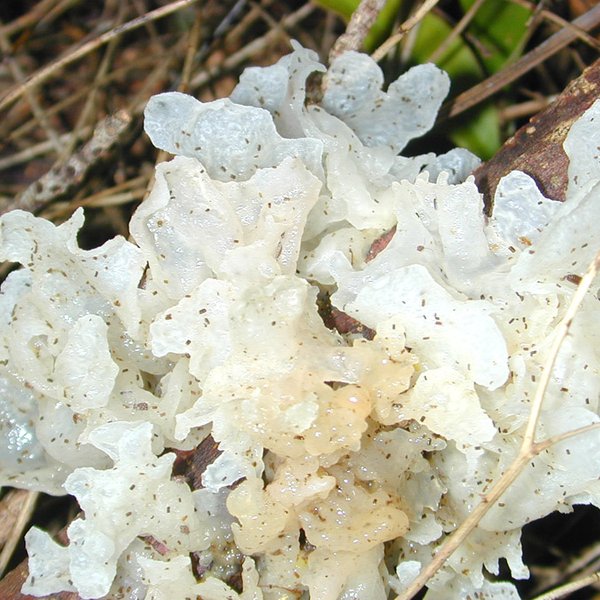 Image: Eric Guinther via Wikimedia Commons (CC BY-SA 3.0)

The most iconic tremella preparation. Every Chinese person knows this recipe.
Ingredients: Dried tremella 1 piece (about 15g), rock sugar 30g, red dates 6, goji berries 10g, water 1.5 liters.
Method: Soak tremella 1–2 hours until fully expanded. Remove the hard yellow base. Tear into small pieces (don't cut — tearing creates more surface area for the polysaccharides to release). Add tremella and dates to pot with water. Bring to boil, then reduce to the lowest possible simmer. Cook 2–3 hours until tremella is thick, gelatinous, and the soup has a silky, viscous texture. Add goji berries and rock sugar in the last 10 minutes.
Key tip: The long, slow cooking is essential. It breaks down cell walls and releases the polysaccharides that create the signature thick, gooey texture. Shortcutting the cooking time gives you watery soup with tough mushroom pieces — a completely different (and inferior) result.
TCM function: Nourishes yin, moistens lungs, beautifies skin. The definitive tremella preparation for daily beauty maintenance.
2. Tremella, Lotus Seed, and Lily Bulb Soup (银耳莲子百合羹)
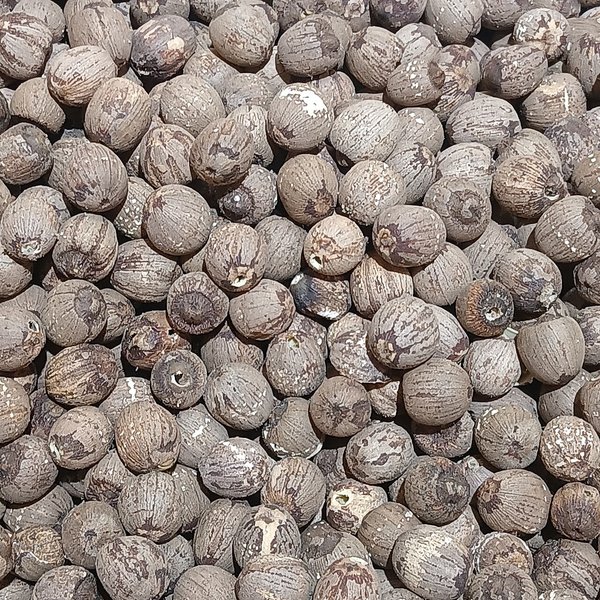 Image: Fumikas Sagisavas via Wikimedia Commons (CC0)
.jpg)
Ingredients: Dried tremella 15g, lotus seeds 30g, dried lily bulb 15g, red dates 4, rock sugar to taste.
Method: Soak all ingredients separately (tremella 1–2 hours, lotus seeds 2 hours, lily bulb 30 minutes). Remove tremella base and lotus seed bitter cores. Simmer tremella alone for 1 hour first. Add lotus seeds, cook 30 minutes. Add lily bulb and dates, cook 20 minutes. Add rock sugar.
TCM function: Calms the spirit and improves sleep. Lotus seeds calm the heart, lily bulb clears restlessness, tremella nourishes yin. This combination is the classic TCM food therapy for insomnia, particularly the type caused by yin deficiency — difficulty falling asleep, night sweats, restless dreaming.
3. Tremella and Papaya Beauty Soup (银耳木瓜汤)
Image: Eric Guinther via Wikimedia Commons (CC BY-SA 3.0)
Ingredients: Dried tremella 15g, papaya 1/2 (ripe), rock sugar 20g, water 1 liter.
Method: Soak and prepare tremella as above. Simmer tremella 1.5 hours. Cube papaya. Add papaya and rock sugar, cook 15 more minutes (papaya overcooks easily).
TCM function: Dual beauty action — tremella moistens from the inside (lung-yin approach) while papaya's enzymes (papain) support protein metabolism and skin cell turnover. A Hong Kong-style beauty dessert popular in TCM dessert shops.
4. Tremella and Pear Soup (银耳雪梨汤)
Image: Eric Guinther via Wikimedia Commons (CC BY-SA 3.0)
Ingredients: Dried tremella 15g, Asian pear 2, rock sugar 30g, goji berries 10g.
Method: Prepare tremella and simmer 1 hour. Peel and core pears, cut into chunks. Add pear to tremella, simmer 30 minutes. Add goji and rock sugar.
TCM function: Strongly moistens the lungs. Both tremella and pear enter the lung channel and have powerful yin-nourishing, fluid-generating effects. This is the go-to recipe for dry cough, sore throat, and autumn dryness. A variation of the classic pear stew with rock sugar approach.
5. Savory Tremella Egg Drop Soup (银耳蛋花汤)
Image: Eric Guinther via Wikimedia Commons (CC BY-SA 3.0)
Not all tremella preparations are sweet.
Ingredients: Dried tremella 10g, eggs 2, scallion 2 stalks, salt, white pepper, sesame oil.
Method: Soak and tear tremella. Simmer in chicken broth or water for 30 minutes. Beat eggs. Pour egg mixture into simmering soup in a thin stream while stirring. Season with salt, white pepper, and a drop of sesame oil. Garnish with scallion.
TCM function: A lighter, savory preparation that provides the same yin-nourishing benefits without the sugar load. The eggs add protein and blood-nourishing properties. Good option for people with phlegm-dampness constitution who should avoid sweet preparations.
6. Tremella, Red Date, and Goji Tea (银耳红枣枸杞茶)
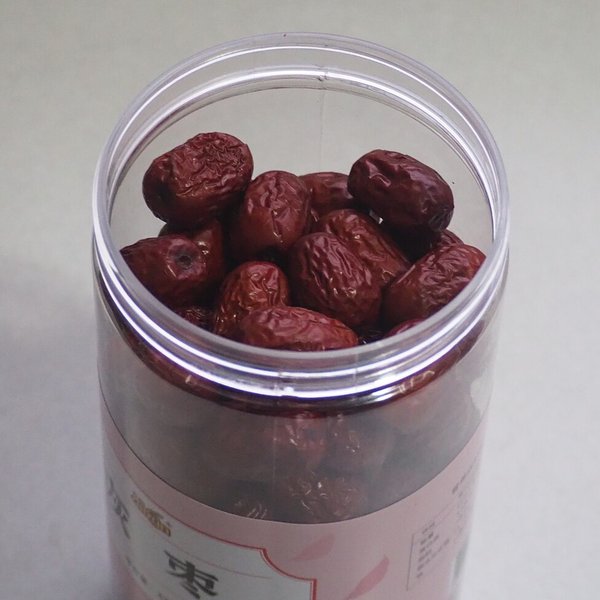 Image: Photo by David J. Stang via Wikimedia Commons (CC BY-SA 4.0)

Ingredients: Dried tremella 5g (a small amount), red dates 5, goji berries 10g, rock sugar optional.
Method: Soak and finely tear tremella. Simmer all ingredients in 500ml water for 45 minutes. Drink as tea throughout the day. Eat the ingredients too.
TCM function: A daily beauty tonic tea. Less intensive than a full soup but provides consistent yin-nourishing benefits with regular use. The red dates add qi-blood tonification, and goji adds liver-kidney nourishment.
7. Tremella with Peach Gum and Snow Lotus Seed (银耳桃胶皂角米)
Image: Fumikas Sagisavas via Wikimedia Commons (CC0)
A trendy modern TCM dessert that has become hugely popular in China.
Ingredients: Dried tremella 10g, peach gum (桃胶) 15g, snow lotus seed (皂角米) 15g, red dates 4, rock sugar to taste.
Method: Soak peach gum and snow lotus seed overnight (12+ hours — they expand dramatically). Soak tremella 1–2 hours. Simmer tremella 1 hour. Add peach gum and snow lotus seed, simmer 30 minutes. Add dates and rock sugar.
TCM function: Triple collagen-supporting action. Peach gum (a plant-derived resin) and snow lotus seed both contain polysaccharides with moisture-retention properties. Combined with tremella, this creates an intensely hydrating, yin-nourishing dessert. The thick, gelatinous texture is part of the appeal — it's like drinking a luxurious moisturizer.
8. Pressure Cooker Quick Tremella Soup (电压力锅银耳汤)
Image: Eric Guinther via Wikimedia Commons (CC BY-SA 3.0)
For people who want results without 3 hours of simmering.
Ingredients: Same as Classic Tremella Sweet Soup (Recipe #1).
Method: Soak tremella 30 minutes. Add all ingredients (except goji) to pressure cooker with water. Cook on "soup" or "congee" setting (typically 40–50 minutes under pressure). Release pressure, add goji and rock sugar.
TCM function: Same as the classic preparation. The pressure cooker achieves similar polysaccharide extraction in a fraction of the time. Some TCM purists argue that the gentle, slow simmer produces superior results, but the practical difference is minimal for daily use.
Who Should Avoid or Limit Tremella
Despite its gentle nature, tremella isn't right for everyone:
- People with acute cold/flu (especially wind-cold type): Tremella is moistening and tonifying. During acute illness, TCM recommends clearing the pathogen first, not tonifying. Adding tremella can "trap" the pathogen.
- Spleen yang deficiency with severe dampness: Tremella is yin-nourishing and moisture-generating. If someone already has excess dampness (bloating, heavy limbs, thick tongue coating), adding more moisture is counterproductive. Resolve dampness first with foods like coix seed.
- Before bed (sweetened versions): Tremella sweet soup contains significant sugar from rock sugar and dates. Drinking sugary liquids before bed can spike blood glucose and disrupt sleep. TCM texts note that the sugar also increases blood viscosity. Consume sweet tremella soup earlier in the day.
- Overnight tremella soup: Traditional Chinese food safety warns against eating tremella soup that's been left at room temperature overnight. Tremella can harbor Bongkrekic acid-producing bacteria (Burkholderia gladioli) when improperly stored. Refrigerate leftovers immediately and reheat thoroughly.
Tremella in Chinese Beauty Culture: Historical Context
Tremella's association with beauty isn't just folk tradition. Historical records provide specific examples:
- Tang Dynasty (618–907): Court records mention tremella as part of the imperial beauty regimen. The legendary beauty Yang Guifei's supposed daily tremella consumption entered popular culture.
- Qing Dynasty (1644–1912): Empress Dowager Cixi reportedly consumed tremella soup every morning. Whether or not this specific claim is verified, the Qing court medical archives (太医院档案) do document tremella as a regular dietary item in the imperial kitchen.
- Modern revival: In the 1980s–1990s, Chinese scientists began isolating and studying tremella polysaccharides. The discovery of TFPS's hyaluronic acid-like properties in the early 2000s reignited interest and created a $2.4 billion tremella product market in China by 2023 (including fresh, dried, instant, and cosmetic products).
Today, tremella sweet soup is one of the most commonly consumed functional desserts in China, particularly among women aged 25–45 who consume it specifically for skin health. A 2023 consumer survey by Kantar found that 34% of Chinese women aged 25–35 consumed tremella-based products at least weekly.
Frequently Asked Questions
Is tremella really as good as bird's nest for skin? TCM says they're comparable for yin-nourishing and skin-moisturizing effects, though bird's nest is considered slightly more potent. Modern analysis shows both contain polysaccharides with water-retention properties. The key difference is price: quality bird's nest costs $1,000–3,000/kg, while tremella costs $15–30/kg. For daily consumption, tremella offers dramatically better value per unit of benefit.
How long does it take to see skin benefits from eating tremella? Traditional Chinese sources suggest 2–4 weeks of daily consumption before noticeable improvements in skin hydration and texture. This aligns with skin cell turnover rates (approximately 28 days). Consistency matters more than single large doses.
Can I use tremella extract in skincare instead of eating it? Yes, and many Chinese skincare products now include TFPS. However, TCM would argue that internal consumption provides systemic benefits (lung moistening, gut health, overall yin nourishment) that topical application cannot. Ideally, do both.
Does tremella actually contain collagen? No. Tremella is a fungus and contains no animal-derived collagen. The "collagen-like" claims in Chinese marketing are misleading. What tremella does contain are polysaccharides that may stimulate the body's own collagen production and that have moisture-retention properties similar to hyaluronic acid. This is different from supplying collagen directly.
What's the best way to eat tremella for maximum benefit? Long-simmered soup is the most effective preparation. The extended cooking time (2–3 hours on low heat) breaks down cell walls and releases polysaccharides into the liquid. The resulting thick, gelatinous texture indicates high polysaccharide concentration. Eating raw or quickly cooked tremella provides significantly fewer benefits because the polysaccharides remain locked inside the cell walls.
Sources
- TCM World (中医世家): Tremella - Chinese Materia Medica
- People's Daily Health: Tremella Nutrition and Eating Methods
- Zhihu: Tremella Benefits and Functions
- Zhihu (Dongguan): Tremella Effects and Applications
- TCM Chinese Medicine Network: White Fungus Benefits
- Da Zhong Yang Sheng (大众养生网): Tremella Food Encyclopedia
Related Reading
- Food Therapy for Skin: Chinese Medicine's Approach to Beauty from Within
- Autumn TCM Foods: Moistening the Lungs
- Chinese Medicinal Desserts (糖水): 10 Sweet Soups That Heal
— The Yao Shan Guide Team